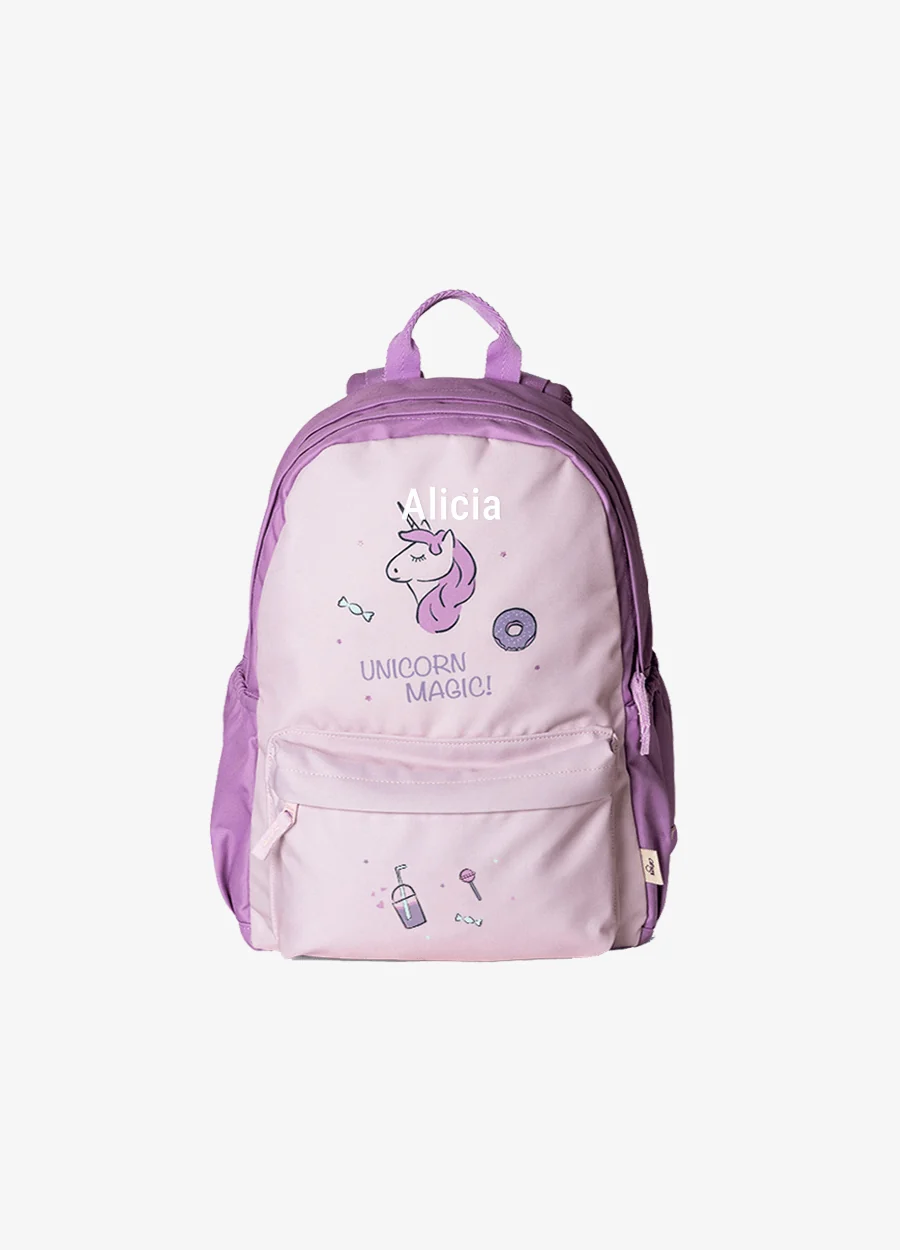
Tips To Find A Backpack With The Right Compartments
Daily routines become easier when every item has its own spot. A well-organized bag saves time, protects belongings, and keeps clutter under control. Smart compartment choices also help match the bag to school, work, travel, or outdoor activities. Before choosing among countless backpacks Dubai, check the layout, pocket sizes, materials, and access points to find a practical match.
Check the main compartment
Start with the largest section because it holds the bulkier items. Look for enough room for books, clothing, notebooks, or other daily essentials without making the bag look stuffed. A wide opening helps you see the contents clearly, while a structured base keeps items upright. For work or school, compare the compartment size with the objects you usually pack.
Look for a laptop sleeve
A dedicated laptop sleeve gives your computer a separate padded space away from other belongings. Check the sleeve dimensions against your laptop before you choose. Extra padding around the base and sides adds useful protection during regular movement. Some designs also include a tablet sleeve beside the laptop section, which suits people who use multiple devices throughout the day.
Choose useful smaller pockets
Small pockets help separate items such as pens, chargers, keys, headphones, wallets, and cables. Look for different pocket sizes instead of several sections with identical dimensions. Zippered pockets work well for small valuables, while open slots suit items that you reach for repeatedly. A sensible pocket arrangement prevents loose objects from gathering at the bottom of the main section.
Consider side compartments
Side sections offer handy storage for items that benefit from their own space. Stretch pockets work well for bottles, umbrellas, or compact personal items, while zipped side sections provide extra security. Check the pocket depth and stitching before choosing a bag. Shallow pockets may let objects slip out, while firm elastic edges help hold items securely during movement.
Match compartments to your routine
Think about the items you use throughout a normal day and select compartments around those habits. A student may prefer space for books, stationery, and a laptop, while an office worker may value device sleeves, document sections, and small accessory pockets. Someone who spends time outdoors may prefer flexible storage for personal gear and weather-related essentials.
Inspect the overall layout
Finally, examine how every section works together. Too many pockets can waste useful space and add unnecessary bulk, while too few sections can leave belongings mixed together. Look for balanced storage, durable zippers, sturdy stitching, and comfortable proportions.